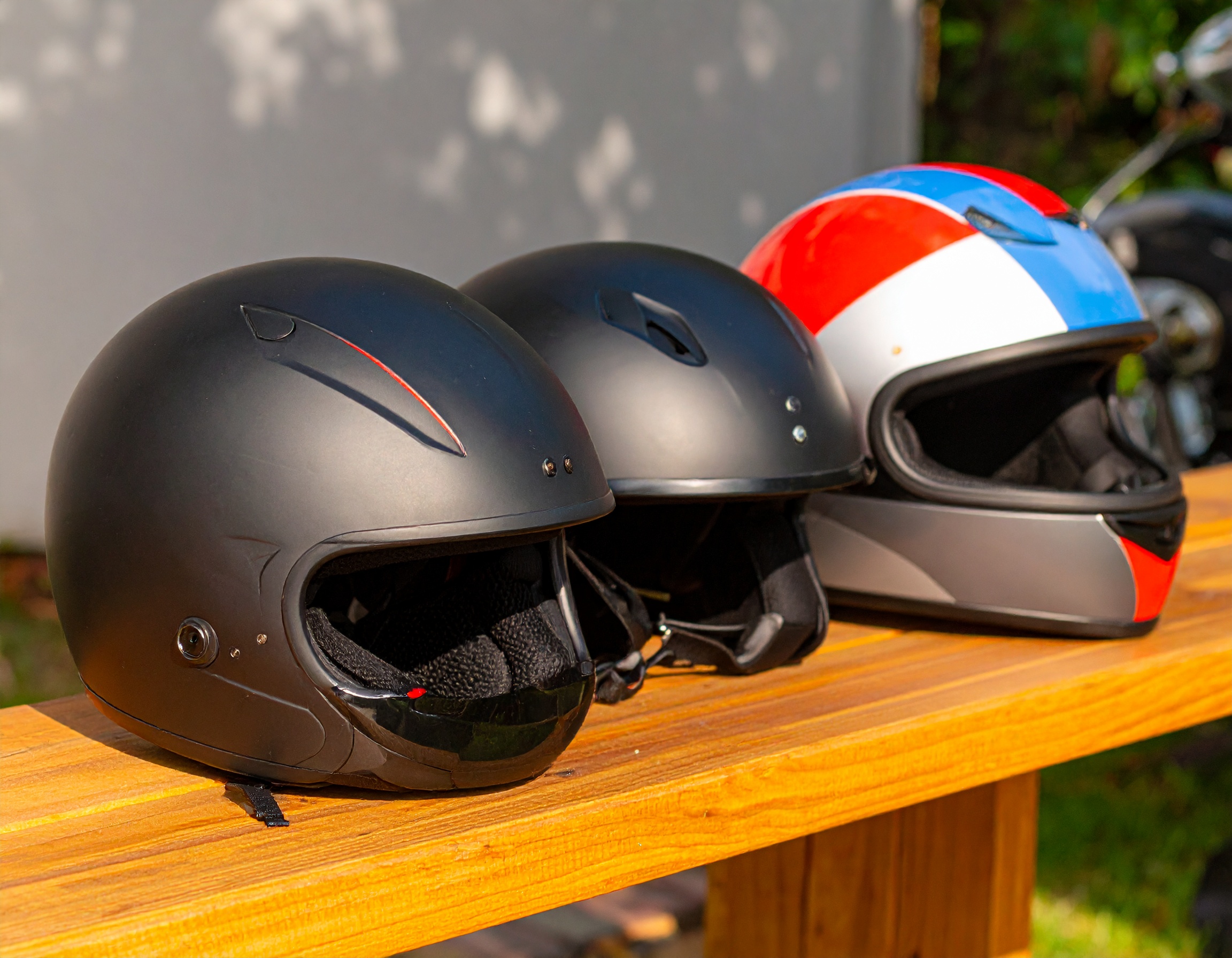
Buying a Motorcycle Helmet: What to Look for
Riding a motorcycle offers a sense of freedom, and that freedom comes with risks. Motorcyclists are more exposed
than those inside other vehicles, making them more vulnerable to accidents. Wearing protective equipment is essential to stay safe, with the helmet being the most important. Here are some things to consider when buying a motorcycle helmet:
Why You Need A Motorcycle Helmet
Buying a motorcycle helmet is a necessary step before hitting the road. Despite being enjoyable, motorcycle riding comes with the risk of serious injuries. While you can reduce the risk of accidents by practicing defensive riding and obeying traffic laws, a good helmet is essential to protect your head in an accident.
What will you be using the helmet for?
Consider the type of motorcycle you will be riding and the riding activity you participate in: racing, commuting, or cruising. Choosing a suitable helmet that provides both comfort and adequate protection is vital.
What is your budget like?
Investing in an expensive helmet is generally worth it as it provides a higher protection level, or buy a less expensive one until you can. Even a lower-quality helmet will provide better protection than no helmet at all.
The construction of your helmet matters.
The construction material of a helmet affects its performance. Here are the most common types of materials and how they help protect your head in an accident:
- Polycarbonate: most economical and provides decent protection at a low price.
- Fiberglass composite: moderately expensive and provides good protection.
- Carbon fiber: the most expensive and best option, offering the most protection.
Look at the ratings.
All helmets have a safety rating, so make sure the one you buy has a good rating.
Choose a helmet that fits.
An uncomfortable or ill-fitting helmet can ruin the fun of riding a motorcycle. Use a soft measuring tape for an accurate head measurement to choose a helmet that fits properly. Also, consider the shape of your head (round, short oval, medium oval, or long oval) to ensure the best fit.
Important Laws Regarding Certified Motorcycle Helmets
The US Federal Government states that wearing a helmet decreases the risk of a rider dying in a motorcycle crash by 37%. Statistics by the National Highway Safety Administration (NHTSA) further point out that in the event of a motorcycle accident, riders who don’t use helmets are three times more likely to develop severe brain injuries compared to those who wear certified motorcycle helmets.
These statistics imply that wearing a helmet is highly important for all motorcyclists. Helmets are the most vital safety gear that all motorcyclists should have when operating their bikes.
It’s because of this fact that different states have enacted laws regarding certified motorcycle helmets. These laws define how riders should conduct themselves when riding their motorcycles on the road.
Certified motorcycle helmets are highly recommended for use in the US. In addition to this, the US Department of Transportation (DOT) has the mandate to certify all helmets sold in the country.
Most of these helmets are for on-road use. However, off-road motorcyclists can also use DOT-certified helmets because they’re considered to have a higher safety standard compared to other helmets.
The following are important laws regarding certified motorcycle helmets that you need to be aware of.
Buying A Motorcycle Helmet | Meeting The Set Federal Safety Standard
All helmets sold in the US should meet the set Federal safety standard. The safety of riders is vitally important. That’s why the federal government, in conjunction with the Department of Transport, has mandated defining the helmets that riders should wear for on-road use.
Not all helmets are safe for use when riding your motorcycle; only certified motorcycle helmets should be sold to motorcyclists in the US. Furthermore, the DOT makes it mandatory for all motorcycle helmets sold in the country to be in line with the Federal Motor Vehicle Safety Standard (FMVSS) 218.
It’s this standard that directs the standards of performance that helmets must meet. This is to offer much-needed protection in the unfortunate event of a motorcycle accident. The DOT conducts annual compliance testing to establish whether the helmets that riders are using in the US are in line with the Federal safety standard.
As a result of the imperative nature of motorcycle helmets, different states have put in place laws that make it compulsory for helmets to meet FMVSS 218 standards. If a rider wears a non-compliant helmet, they will be violating state laws. These laws insist on using safe helmets that meet Federal safety standards.
All riders should always ensure that they use certified motorcycle helmets.
Essential Legislation About Certified Motorcycle Helmets
Wearing a helmet can reduce the risk of rider fatality by 37%, according to the US Federal Government. Moreover, the National Highway Safety Administration (NHTSA) reports that, in the event of a motorcycle accident, riders are three times more prone to severe brain injury if they don’t wear certified motorcycle helmets, as opposed to those who do.
These statistics indicate the primary importance of wearing helmets for all motorcyclists, as they are the most crucial piece of safety equipment for riders.
Consequently, various states have enacted laws regarding certified motorcycle helmets, outlining how riders should conduct themselves on the road while operating their motorcycles.
Most helmets sold in the United States are DOT-certified and designed for on-road use. However, off-road motorcyclists can also use DOT-certified helmets because they are considered to have a higher safety standard than other helmets.
Here are some crucial laws regarding certified motorcycle helmets that you need to be aware of:
- *Purchasing a Motorcycle Helmet | Adhering to the Federal Safety Standard**
All helmets sold in the United States must meet the Federal safety standard. The government, in collaboration with the Department of Transport, defines the helmets that riders should wear for on-road use to ensure rider safety.
Only certified motorcycle helmets are safe for use while riding, as not all helmets meet the necessary safety standards. The DOT mandates that all motorcycle helmets sold in the country comply with the Federal Motor Vehicle Safety Standard (FMVSS) 218, which outlines the performance standards that helmets must meet to provide adequate protection in the unfortunate event of a motorcycle accident. The DOT performs annual compliance testing to ensure that the helmets being used by riders in the United States meet the Federal safety standard.
Various states have implemented laws that make it mandatory for helmets to fulfill the FMVSS 218 standards. Therefore, wearing an unsafe helmet would be a violation of state law. These laws require the use of certified motorcycle helmets that meet Federal safety standards.
As a result, all riders should ensure that they only use certified motorcycle helmets to stay safe on the road.
Buying a Motorcycle Helmet: How to Determine if It’s Certified
As a motorcyclist, it is important to know which helmets are safe and which ones are not. To protect yourself from legal and safety issues down the road, here are some tips on how to determine if a helmet is certified:
- Check the thickness of the inner liner. Federal standards require helmets to have a one-inch polyester foam inner lining, which is thicker than that of other helmets.
- Look for sturdy chin straps and solid rivets, which are important for maintaining safety.
- Ensure that the weight of a certified helmet is around three pounds. Helmets that weigh less than one pound are likely to cause severe head injuries in the event of a crash.
- Verify that the helmet design does not have extensions more than two-tenths of an inch from the exterior of the helmet. If it extends further, it is likely an unsafe helmet.
State Laws Regarding Certified Motorcycle Helmets
Helmet laws vary among states. Some states require all riders to wear helmets, while others specify ages for riders who should wear helmets, and others have no helmet laws at all. Here are some examples:
- States that require all riders to wear motorcycle helmets: Alabama, California, Maryland, Nebraska, and Georgia.
- States that require riders of particular ages to wear helmets: Alaska (18 years), Arizona (18 years), Colorado (under 18), Connecticut (under 21), and Delaware (under 19).
- States that currently have no laws regarding certified motorcycle helmets: Illinois, Iowa, and New Hampshire.
Why Smart Helmet Technology Is Ideal for Motorcycle Safety
Smart helmet technology is becoming increasingly popular as technology advances. Some of the features that make smart helmet technology ideal for motorcycle safety include:
- Rear lights that respond to your handlebars, making you more visible on the roads.
- Built-in cameras that document trips and provide information in case of an accident.
- High-precision GPS that helps pinpoint your location and improve navigation.
- Bluetooth-connected speakers that allow you to listen to applications such as Waze while driving.
- Noise control and well-placed microphones make speaking while driving easier.
- Blind angle sensors that detect objects approaching in your blind spot and warn you promptly.
- Built-in screens that provide all the information you need.
Choose Wisely When Buying a Motorcycle Helmet: Your Life Could Depend on It
Accidents cannot always be prevented, but proper protective equipment can reduce the risk of injury. Riding without a helmet puts you at enormous risk, as does riding with a substandard helmet. Therefore, educate yourself about helmets and choose one that provides the best protection possible.
Leave a Reply